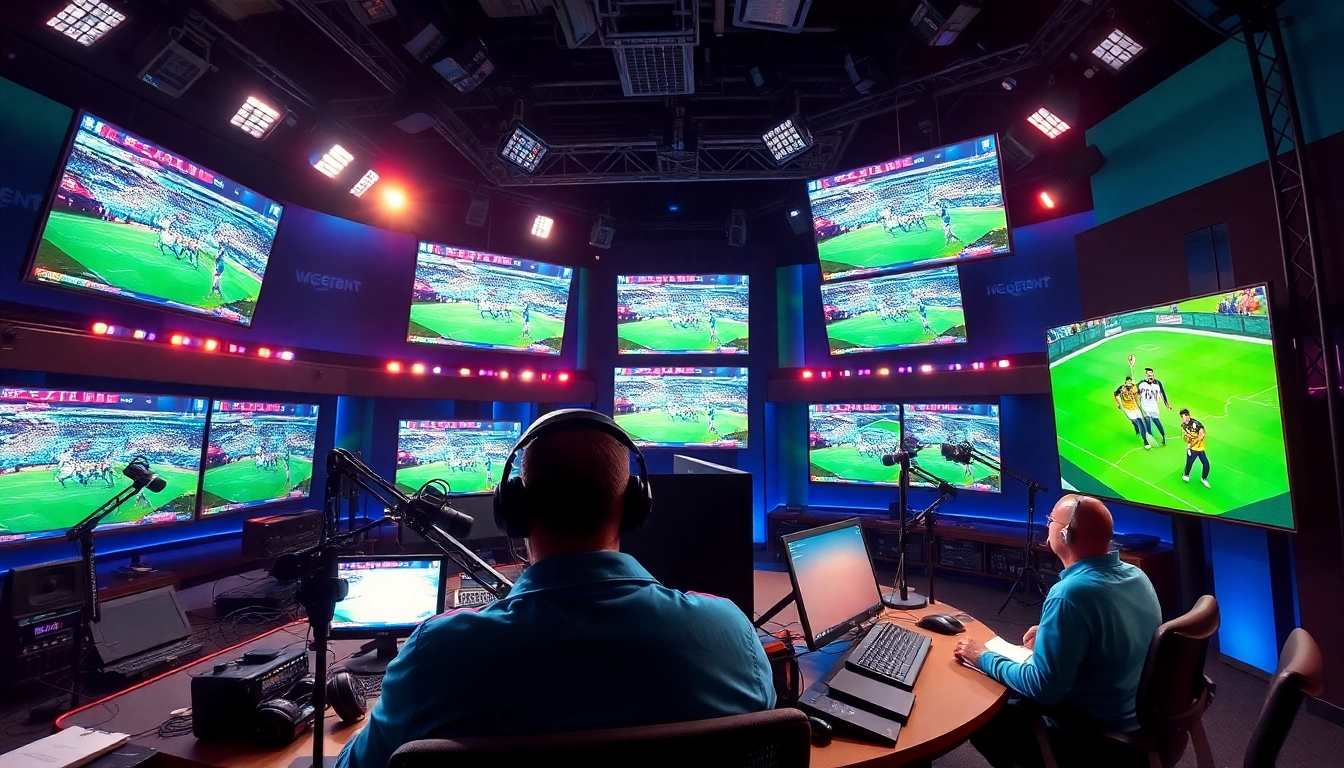
Understanding Sports Broadcasting
What is Sports Broadcasting?
Sports broadcasting is the transmission of sports events through various media platforms, including television, radio, and the internet. It is a vibrant sector that not only provides entertainment but also brings a sense of community among fans who are passionate about their favorite teams and athletes. With advancements in technology, Sports Broadcasting has evolved significantly, allowing audiences to engage with live games in ways that were previously unimaginable.
The Evolution of Sports Broadcasting
From the early days of radio broadcasts to the sophisticated digital streaming platforms of today, sports broadcasting has undergone a remarkable transformation. The first radio broadcasts of sports events began in the 1920s, paving the way for televised coverage in the 1930s. This shift not only revolutionized how fans accessed experience sports but also changed the nature of sports marketing and advertising. Now, with the rise of the internet and mobile technology, fans can watch live games on multiple devices, participate in real-time discussions, and engage more deeply with the content.
Key Components of Sports Broadcasting
Understanding the key components of sports broadcasting can provide insights into how the industry operates. The main elements include:
- Production: This involves the planning and execution of broadcasts, including camera work, commentary, and graphics.
- Broadcasting Rights: Securing the rights to air a game or event is crucial, often involving negotiations with leagues and teams.
- Distribution: Whether via traditional channels or online, spreading content to the audience is vital for engagement.
- Audience Engagement: Interactive features such as social media integration and live polling enhance viewer participation.
Techniques for Effective Sports Broadcasting
Preparation and Research Strategies
Preparation is critical for sports broadcasters. Conducting comprehensive research about teams, players, and recent performances allows broadcasters to deliver insightful commentary. Utilizing statistical analysis tools and finding a narrative that resonates with the audience can set a broadcast apart from competitors, fostering a richer viewing experience.
Engaging Your Audience
It’s essential to create a connection with the audience. This can be achieved through storytelling, sharing anecdotes about players, and utilizing viewer feedback. Broadcasters can also tailor their content to the audience demographic, ensuring relevance and interest. Incorporating interactive elements such as Q&A sessions or real-time polls during broadcasts can further encourage audience engagement.
Analyzing Live Game Trends
Live game analysis helps broadcasters make informed commentary. Understanding trends, such as player performance or shifts in game strategy, allows for an enhanced viewing experience. Advanced analytics tools can assist in providing deeper insights that entertain and inform the audience simultaneously.
Technological Innovations in Sports Broadcasting
Role of Streaming Services
With the emergence of streaming services, sports broadcasting has taken a new turn. Services allow viewers to watch games on demand, providing greater flexibility than traditional broadcasting. These platforms have also enabled niche sports to gain visibility, surpassing the limitations set by traditional cable broadcasting.
Virtual and Augmented Reality in Broadcasting
Virtual reality (VR) and augmented reality (AR) offer immersive experiences for sports fans. VR can place viewers in the middle of the action, while AR can enhance traditional broadcasts with live statistics and player information overlayed on the field. These technologies deepen viewer engagement, making the experience more interactive and memorable.
Advanced Equipment and Software
The technology behind sports broadcasting has advanced significantly. High-definition cameras, drones for aerial shots, and sophisticated editing software allow broadcasters to deliver stunning visuals. Investing in state-of-the-art equipment is no longer optional; it is a necessity to captivate an audience that demands high-quality production.
Challenges in Sports Broadcasting
Navigating Rights and Regulations
Securing broadcasting rights can be contentious and complex, often requiring extensive negotiations and compliance with various regulations. Broadcasters must be aware of the legal implications and safeguards to avoid conflicts while also finding ways to innovate within those boundaries.
Maintaining Quality Under Pressure
Live sports broadcasting is inherently high-pressure. Broadcasters must consistently deliver quality commentary and analysis despite unexpected events, such as technical difficulties or contentious plays. Training and skill development play a crucial role in equipping talent to handle such situations gracefully.
Adapting to Viewer Preferences
In an ever-changing media landscape, adapting to viewer preferences is critical. With varying tastes, broadcasters must tailor their content to engage different audience segments, which often means innovating continuously. Consumer feedback and analytics tools can assist in understanding what resonates most with viewers.
Future Trends in Sports Broadcasting
Emerging Technologies
As technology continues to advance, the sports broadcasting landscape will see even more innovative changes. AI-driven analytics, improved streaming quality, and enhanced interactivity are just the beginning. Future developments may transform how content is produced and consumed, making it imperative for broadcasters to stay ahead of the curve.
The Growth of Niche Sports Broadcasting
With the rise of streaming platforms, niche sports are gaining traction. Broadcasting lesser-known sports can attract specific audiences who feel underserved by mainstream networks. Broadcasters who recognize this trend stand to benefit from a devoted fan base craving unique content and live coverage.
Securing Audience Engagement Beyond Viewership
In the digital age, engagement goes beyond just viewership numbers. Building communities around sports—through social media interactions, behind-the-scenes content, and fan forums—enhances loyalty. Broadcasters must focus on cultivating these communities to secure long-term audience connections.
Frequently Asked Questions
What is the main role of a sports broadcaster?
The primary role is to commentate and analyze live sports events, providing insight and enhancing viewers’ experience.
How has streaming changed sports broadcasting?
Streaming has introduced on-demand viewing and increased access to various sports, allowing niche events to reach wider audiences.
What are the biggest challenges faced by sports broadcasters?
Key challenges include navigating broadcasting rights, maintaining quality under pressure, and adapting to changing viewer preferences.
What tools are essential for sports broadcasting?
Essential tools include high-definition cameras, editing software, and analytics platforms for performance and audience engagement.
How can broadcasters engage their audience more effectively?
Effective engagement can be achieved through storytelling, interactive content, and real-time feedback mechanisms during broadcasts.